Here's a breakdown:
Types of Landforms:
* Mountains: Elevated areas of land with steep slopes and high peaks.
* Hills: Rounded elevations of land, smaller than mountains.
* Plains: Flat, expansive areas of land with minimal elevation change.
* Plateaus: Elevated flat areas of land with steep sides.
* Valleys: Depressions in the Earth's surface, often carved by rivers.
* Canyons: Deep, narrow valleys often formed by erosion.
* Deserts: Dry areas with little vegetation and sparse rainfall.
* Oceans: Vast bodies of saltwater covering most of the Earth's surface.
* Seas: Smaller bodies of saltwater, often partially enclosed by land.
* Lakes: Bodies of freshwater or saltwater surrounded by land.
* Rivers: Flowing bodies of water that move from higher to lower elevations.
* Glaciers: Large masses of ice that move slowly over land.
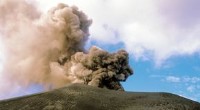
* Volcanoes: Mountains formed by the eruption of molten rock (magma).
* Islands: Land masses surrounded by water.
Forces that Shape Landforms:
* Tectonic Plate Movement: The Earth's crust is made up of massive plates that move slowly, causing earthquakes, volcanic eruptions, and mountain formation.
* Erosion: The wearing away of land by wind, water, and ice.
* Weathering: The breakdown of rocks and minerals due to exposure to the elements.
* Deposition: The dropping of sediments by wind, water, or ice.
Understanding Landforms:
* Landforms are essential for understanding the Earth's geography and history.
* They influence climate, vegetation, and human settlements.
* Studying landforms helps us predict natural disasters and manage resources.
Examples of Landforms:
* The Grand Canyon, USA
* The Himalayas, Asia
* The Great Barrier Reef, Australia
* The Amazon Rainforest, South America
By studying landforms, we gain valuable insights into the Earth's dynamic and ever-changing nature.