* Limited Archaeological Evidence: While we have incredible archaeological evidence from Pompeii and Herculaneum, these are just two of the cities affected. There were likely many other settlements, some smaller and less well-preserved, that were destroyed.
* Incomplete Excavations: Even in the best-preserved sites, not all the houses have been excavated.
* Difficult to Define "Destroyed": Some houses might have been heavily damaged but not completely collapsed. It's hard to draw a line between significant damage and complete destruction.
Estimates and Facts:
* Pompeii: The most well-preserved city, had an estimated population of around 10,000-20,000 people before the eruption. It's safe to assume a similar number of houses existed.
* Herculaneum: A smaller but equally well-preserved city, with an estimated population of around 5,000 people.
* Other Settlements: The impact of the eruption extended beyond these two cities, potentially destroying villages and farms in the surrounding area.
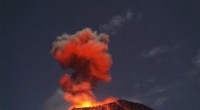
In conclusion: While a precise number of houses destroyed is impossible, the eruption of Mount Vesuvius undoubtedly wiped out thousands of homes, leaving behind a devastating and enduring archaeological record.