Internal Forces:
* Plate Tectonics: This is the primary driver of large-scale crustal movements. The Earth's outer layer (the lithosphere) is made up of tectonic plates that constantly move, interact, and collide.
* Convergent Boundaries: Where plates collide, one plate can subduct (slide) beneath the other, causing the overlying plate to buckle and uplift, forming mountain ranges.
* Divergent Boundaries: Where plates move apart, magma rises from the mantle, creating new crust and causing the surface to rise.
* Transform Boundaries: Where plates slide past each other horizontally, they can cause localized uplift or subsidence depending on the direction of movement.
* Mantle Convection: Hot, less dense material in the mantle rises, while cooler, denser material sinks, creating convection currents that drive plate tectonics. These currents can also directly influence crustal movement, causing areas to rise or sink.
* Magma Intrusions: When magma rises from the mantle and intrudes into the crust, it can cause the overlying rocks to bulge and uplift.
External Forces:
* Erosion: Weathering and erosion can remove large amounts of rock and sediment from the Earth's surface, leading to isostatic rebound. This is where the crust, relieved of the weight of the eroded material, rises back up.
* Glaciation: The weight of massive ice sheets during glacial periods can depress the crust. When the glaciers melt, the crust rebounds.
* Sedimentation: The accumulation of large amounts of sediment, like in river deltas or ocean basins, can cause the crust to sink under the weight.
* Groundwater Depletion: The removal of large amounts of groundwater can lead to subsidence, as the ground compacts under the reduced pressure.
Other Factors:
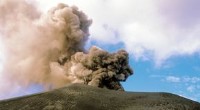
* Volcanic Activity: Eruptions can cause localized uplift or subsidence depending on the amount of material erupted and the nature of the eruption.
* Earthquakes: Earthquakes can trigger sudden shifts and changes in the Earth's crust, causing areas to rise or fall.
It's important to note that these forces often act in combination, making it complex to pinpoint the exact cause of crustal movement in a particular location.