1. Convection Currents:
* Heat from the Earth's core: The Earth's core is extremely hot, and this heat transfers to the mantle. This heat creates temperature differences within the mantle, causing hotter, less dense material to rise and cooler, denser material to sink. This cycle of rising and sinking material forms convection currents.
* Radioactive decay: Radioactive elements within the mantle also generate heat, contributing to the convection process.
2. Plate Tectonics:
* Plate movement: The movement of tectonic plates at the Earth's surface is driven by the convection currents within the mantle. As plates move apart (divergent boundaries), molten rock from the mantle rises to fill the gap, creating new crust. At convergent boundaries where plates collide, one plate subducts (sinks) beneath the other, pulling the mantle down.
* Slab pull: When an oceanic plate subducts, its denser material sinks into the mantle, pulling the rest of the plate along with it. This force contributes to the movement of other plates.
3. Mantle Plumes:
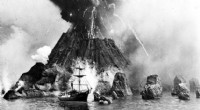
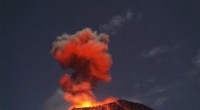
* Hot spots: Some areas within the mantle are exceptionally hot, creating plumes of rising material. These plumes can penetrate the Earth's crust, causing volcanic activity in regions not at plate boundaries.
4. Gravity:
* Downward pull: Gravity exerts a downward pull on the denser, cooler material sinking in convection currents.
5. Earth's Rotation:
* Coriolis effect: The Earth's rotation influences the direction of mantle flow, creating a slight westward drift in the convection currents.
6. Compositional Differences:
* Mineral phases: The mantle is composed of various minerals, and their different densities and melting points can influence convection patterns.
7. Viscosity:
* Fluid-like behavior: Although solid, the mantle behaves like a very viscous fluid over long periods. This viscosity influences the speed and pattern of convection currents.
The interplay of all these factors determines the complex and dynamic movement of the Earth's mantle, which in turn drives plate tectonics, volcanic activity, and the formation of continents and oceans.