Here's a breakdown:
* Location: It stretches along the western coast of North and South America, across the Aleutian Islands and down through Kamchatka, Japan, the Philippines, and Indonesia, and finally ends in New Zealand.
* Causes: The Ring of Fire is a result of plate tectonics. This area is where several of Earth's tectonic plates meet, and they interact in a complex dance of collisions, subduction, and sliding.
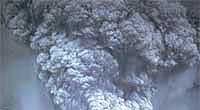
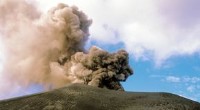
* Volcanic Activity: Subduction zones are the primary cause of volcanic activity in the Ring of Fire. When one tectonic plate slides under another (subduction), the descending plate melts and creates magma. This magma rises to the surface and erupts, forming volcanoes.
* Earthquake Activity: These plate boundaries are also prone to seismic activity. Earthquakes occur when the plates grind against each other, release energy, and cause the ground to shake.
Key Features:
* High concentration of active volcanoes: The Ring of Fire is home to approximately 75% of the world's active volcanoes.
* Frequent earthquakes: The Ring of Fire experiences a large number of earthquakes, including some of the most powerful ones ever recorded.
* Significant impact on human populations: Many densely populated areas are located within the Ring of Fire, making it a region at high risk for natural disasters.
Examples of volcanoes in the Pacific Ring of Fire:
* Mount Fuji (Japan)
* Mount Vesuvius (Italy)
* Mount St. Helens (USA)
* Mount Pinatubo (Philippines)
The Pacific Ring of Fire is a testament to the dynamic nature of our planet and the powerful forces that shape its surface. It is a region that is both beautiful and dangerous, and understanding its complexities is crucial for mitigating the risks associated with volcanic eruptions and earthquakes.