Erosion:
* Hydraulic action: The sheer force of water erodes the river bed and banks, dislodging rocks and soil.
* Abrasion: The rocks and sediment carried by the river act like sandpaper, grinding and wearing down the river bed and banks.
* Corrosion: Chemical reactions between the water and the rock can dissolve and erode the river bed and banks.
Transportation:
* Solution: Dissolved minerals and salts are carried in the water.
* Suspension: Fine sediment, like clay and silt, is suspended in the water column.
* Saltation: Larger sediment, like sand, bounces along the river bed.
* Traction: Very large rocks and boulders are rolled along the river bed.
Deposition:
* When the river's energy decreases, it loses its ability to carry sediment. This causes the sediment to be deposited, forming:
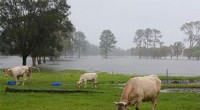
* Floodplains: Flat areas of land alongside the river, built up by deposits of sediment during floods.
* Deltas: Triangular-shaped landforms at the river's mouth, formed by the deposition of sediment as the river enters a larger body of water.
* Alluvial fans: Fan-shaped deposits of sediment at the foot of mountains, formed by the deposition of sediment as the river flows out of a mountain valley.
Other Impacts:
* Formation of canyons and valleys: Rivers carve out canyons and valleys through erosion over long periods.
* Creation of waterfalls: Rivers flowing over hard rock can form waterfalls as they erode the softer rock downstream.
* Changes in river channels: Rivers can change their courses over time due to erosion and deposition, leading to meanders and oxbow lakes.
* Impact on ecosystems: Rivers create habitats for a diverse range of plants and animals, and their flow patterns influence the distribution of these species.
Overall, the effects of rivers on the Earth's surface are significant:
* Landform shaping: They sculpt landscapes through erosion and deposition.
* Nutrient and sediment transport: They move nutrients and sediment throughout the landscape.
* Habitat creation and modification: They create and alter habitats for various species.
* Climate regulation: They influence the water cycle and local climates.
Therefore, rivers are vital components of the Earth's natural systems, constantly shaping and influencing our planet.