Erosion is a natural process that wears away and transports rocks, soil, and other materials on Earth's surface. These forces play a significant role in shaping landscapes and influencing the environment. Here are the main powers of erosion:
1. Water Erosion:
* Rain: Rainwater can directly erode soil, creating gullies and rills.
* Rivers: Flowing rivers carve out channels, valleys, and canyons. They carry sediment downstream, depositing it elsewhere.
* Waves: Ocean waves erode coastlines, shaping cliffs, beaches, and islands.
* Glaciers: Moving glaciers can grind away mountains, creating valleys and lakes.
2. Wind Erosion:
* Dust storms: Strong winds can pick up and transport loose sediment, creating dust storms and depositing sand dunes.
* Deflation: Wind can remove fine particles, leaving behind a hard, rocky surface.
* Abrasion: Windborne particles can sandblast rocks and other surfaces, causing them to wear down.
3. Ice Erosion:
* Glaciers: As mentioned above, glaciers can carve out massive landscapes.
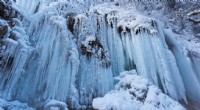
* Frost wedging: Water seeping into cracks in rocks can freeze and expand, breaking the rocks apart.
4. Biological Erosion:
* Plants: Roots can break up rocks and soil.
* Animals: Burrowing animals like rabbits and earthworms can loosen soil and create tunnels.
* Humans: Construction, agriculture, and other human activities can significantly increase erosion rates.
5. Gravity:
* Mass wasting: The force of gravity can cause landslides, rockfalls, and other forms of mass movement, resulting in significant erosion.
Factors Influencing Erosion:
* Climate: Precipitation, wind patterns, and temperature influence erosion rates.
* Topography: Steep slopes are more susceptible to erosion than gentle slopes.
* Vegetation: Plants help to stabilize soil and reduce erosion.
* Human activities: Land use practices, such as agriculture and deforestation, can significantly impact erosion rates.
Consequences of Erosion:
* Loss of fertile land: Erosion removes topsoil, reducing agricultural productivity.
* Sedimentation of waterways: Eroded sediment can clog rivers, lakes, and reservoirs, affecting water quality and wildlife habitat.
* Coastal erosion: Erosion of coastlines can lead to loss of beaches, infrastructure, and coastal ecosystems.
* Desertification: Excessive erosion can lead to the expansion of deserts.
Controlling Erosion:
* Planting trees: Trees help to stabilize soil and reduce wind erosion.
* Terracing: Terraces create flat areas on hillsides, reducing water runoff and erosion.
* Contour farming: Planting crops along the contour of the land minimizes water runoff.
* Conservation tillage: Leaving crop residues on the soil surface helps to protect it from erosion.
* Stabilizing slopes: Using rocks, vegetation, or other materials to stabilize slopes can prevent landslides.
Understanding the powerful forces of erosion is essential for managing our environment and protecting our resources. By implementing effective erosion control measures, we can minimize the negative impacts of this natural process.