Here's how it works:
1. Subduction: One denser oceanic plate subducts (dives) beneath the other.
2. Melting: As the subducting plate descends, it heats up due to friction and the increasing pressure. This causes the rock to partially melt.
3. Magma Rise: The molten rock, called magma, is less dense than the surrounding rock and rises towards the surface.
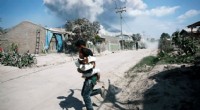
4. Volcanic Eruptions: The magma eventually erupts through the overlying plate, forming volcanoes.
5. Island Arc Formation: Over time, these volcanic eruptions create a chain of islands known as an island arc, which runs parallel to the convergent boundary.
Examples of island arcs include:
* The Mariana Islands in the western Pacific Ocean
* The Aleutian Islands off the coast of Alaska
* The Japanese Archipelago
These island arcs are typically characterized by:
* Volcanic activity: Frequent eruptions and geothermal activity
* Deep ocean trenches: A deep depression in the ocean floor where the subducting plate descends
* Earthquakes: Frequent and sometimes powerful earthquakes due to the movement of the plates