Coastal Features:
* Chesapeake Bay: The most prominent feature, this large estuary provided access to the interior and was crucial for transportation, fishing, and trade.
* Atlantic Ocean: Maryland's eastern border, offering access to international trade and fishing.
* Rivers: Numerous rivers flowed into the Chesapeake Bay, including the Potomac, Susquehanna, and Patuxent, providing inland transportation and resources.
Land Features:
* Piedmont Plateau: A hilly region in western Maryland, offering fertile soils for agriculture and timber resources.
* Appalachian Mountains: The western boundary of Maryland, with the Blue Ridge Mountains in the westernmost part, offering timber and mineral resources.
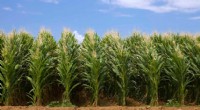
* Coastal Plain: A flat, low-lying area along the Chesapeake Bay and Atlantic Ocean, providing fertile farmland for tobacco cultivation.
Vegetation:
* Forests: Extensive forests covered much of the land, providing timber for construction, shipbuilding, and other industries.
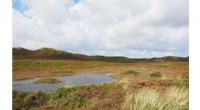
* Swamps and Marshes: Found along the Chesapeake Bay and rivers, providing habitats for various wildlife.
Climate:
* Humid Temperate Climate: Maryland experienced warm summers and mild winters, suitable for agriculture.
Impact on Settlement:
* Chesapeake Bay: A vital waterway for transportation, fishing, and trade, influencing the development of major settlements like Annapolis and Baltimore.
* Coastal Plain: The rich soil in this region made it ideal for tobacco cultivation, the economic backbone of early Maryland.
* Piedmont Plateau: Provided fertile land for farming and access to timber resources, leading to the establishment of settlements further inland.
In summary, Maryland's geography played a crucial role in its development, shaping its economic activities, transportation, and cultural landscape during the 17th and 18th centuries.