1. Loss of Life and Property:
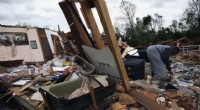
* Direct impact: Landslides can directly bury homes, businesses, and infrastructure, leading to fatalities and significant property damage.
* Secondary effects: Landslides can block roads and disrupt access to essential services like hospitals and rescue teams, further endangering lives.
2. Infrastructure Damage:
* Road networks: Murree's mountainous terrain is heavily reliant on roads, which are vulnerable to landslides. These landslides frequently block major routes, impacting tourism, transportation, and supply chains.
* Water supply: Landslides can disrupt water pipelines and reservoirs, causing water shortages and impacting sanitation.
* Electricity: Power lines are often damaged by landslides, leading to power outages that disrupt daily life and economic activity.
3. Environmental Degradation:
* Soil erosion: Landslides can remove topsoil, impacting agricultural productivity and causing downstream sedimentation in rivers and dams.
* Water contamination: Landslides can introduce debris and pollutants into water sources, affecting water quality and public health.
* Biodiversity loss: Landslides can disrupt natural habitats, leading to the loss of plant and animal species.
4. Socioeconomic Impacts:
* Tourism disruption: Landslides deter tourists and can damage the tourism industry, a major economic driver for the Murree area.
* Displacement and poverty: Landslides can displace people from their homes, creating a need for temporary housing and straining resources.
* Economic loss: Landslides can disrupt businesses, disrupt livelihoods, and lead to overall economic decline.
5. Contributing Factors:
* Geologic factors: Murree's terrain is characterized by steep slopes, weak rock formations, and unstable soils, making it prone to landslides.
* Climate change: Increased rainfall and extreme weather events associated with climate change exacerbate landslide risk.
* Deforestation: The loss of vegetation reduces soil stability and increases the risk of landslides.
* Unsustainable development: Inappropriate land use practices, such as construction on steep slopes and uncontrolled urbanization, contribute to landslide hazards.
6. Mitigation Efforts:
* Reforestation and afforestation: Planting trees can help stabilize slopes and reduce erosion.
* Slope stabilization: Engineering techniques like retaining walls and gabions can help secure unstable slopes.
* Early warning systems: Developing systems to detect landslide precursors can provide valuable time for evacuation and disaster preparedness.
* Sustainable land management: Promoting responsible land use practices and regulating development in landslide-prone areas.
Overall, landslides are a complex problem in the Murree area that require a multi-faceted approach to mitigate their risks. Understanding the contributing factors and implementing effective mitigation strategies is crucial for ensuring the safety and well-being of the local population and preserving the environment.