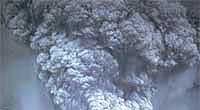
* Direct death toll: The 1815 eruption of Mount Tambora in Indonesia is considered the deadliest in recorded history, with an estimated death toll of 71,000-92,000 people. This was due to the massive eruption itself, followed by famine and disease.
* Indirect deaths: The 1883 eruption of Krakatoa in Indonesia, though lower in direct fatalities (around 36,000), had a massive impact on the world's climate, causing global cooling and famine in subsequent years. The exact number of indirect deaths is difficult to estimate.
* Long-term impact: The 79 AD eruption of Mount Vesuvius, which destroyed Pompeii and Herculaneum, had a devastating effect on Roman society, but the exact number of casualties is uncertain.
Therefore, the "deadliest" eruption depends on how you define "deadliest."
Here's a summary of notable eruptions and their impact:
* Tambora (1815): Highest direct death toll, massive impact on global climate.
* Krakatoa (1883): Significant direct death toll, major impact on global climate.
* Vesuvius (79 AD): Devastating impact on Roman civilization, but exact death toll unknown.
* Lake Toba (74,000 years ago): Massive super-eruption that likely caused a global volcanic winter and a bottleneck in human evolution.
Ultimately, all of these eruptions demonstrate the incredible destructive power of volcanoes and the importance of understanding and mitigating volcanic hazards.