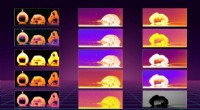
Here's the breakdown:
* Ice and snow are frozen water. The molecules in water are tightly packed together in a solid state.
* Heat causes the molecules to vibrate. When heat energy is absorbed by the ice or snow, the molecules start moving faster and vibrating more.
* Vibrations weaken the bonds holding the molecules together. As the vibrations increase, the bonds between the water molecules weaken.
* The molecules break free and become liquid. When the vibrations are strong enough, the bonds break completely, and the water molecules move freely, transforming the ice or snow into liquid water.
So, the heat from the air around the snow cone, or even from your hand holding it, causes the ice to absorb energy, making the molecules move faster, and eventually melting the snow cone.