1. Mountainous Terrain:
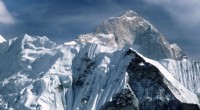
* Isolation and Independence: The Alps, Jura Mountains, and Swiss Plateau create natural barriers, historically isolating Switzerland from surrounding empires and allowing it to develop a unique culture and sense of independence.
* Limited Resources: Mountainous terrain limits arable land, forcing Switzerland to focus on livestock farming and resource-efficient practices. This has led to a tradition of resourcefulness and environmental awareness.
* Hydropower and Tourism: The Alps provide immense hydroelectric power, making Switzerland a leader in renewable energy. They also attract millions of tourists, contributing significantly to the economy.
2. Location:
* Crossroads of Europe: Situated at the heart of Europe, Switzerland has historically been a crossroads for trade and communication. This strategic position has contributed to its economic prosperity and international influence.
* Multilingual and Multicultural: Switzerland's location at the border of different linguistic and cultural regions has resulted in a diverse population speaking four official languages (German, French, Italian, and Romansh).
3. Climate:
* Varying Microclimates: The diverse topography creates different microclimates, from the dry and sunny valleys to the snow-capped peaks. This allows for a variety of agricultural activities, including viticulture in warmer regions and dairy farming in mountainous areas.
* Seasonal Changes: The dramatic seasonal changes, from the snowy winters to the lush summers, have influenced the rhythm of life in Switzerland, inspiring a love for the outdoors and an appreciation for the beauty of nature.
4. Resources:
* Limited Resources: Besides hydropower, Switzerland has relatively limited natural resources. This has encouraged innovation and a focus on high-value industries, such as precision engineering, pharmaceuticals, and finance.
* Forestry and Agriculture: Switzerland's forests provide timber and other products, while agriculture plays a vital role in food production and tourism.
In summary, Switzerland's geography has:
* Shaped its identity: By fostering independence, resilience, and environmental awareness.
* Influenced its economy: Through resource management, innovation, and tourism.
* Defined its culture: By creating diverse microclimates, inspiring outdoor activities, and encouraging multilingualism.
The Swiss have learned to adapt to and thrive in their mountainous environment, making it a unique and influential nation in the world.