* High Temperature and Pressure: The mantle is incredibly hot, with temperatures reaching over 1000°C. This extreme heat, combined with immense pressure from the overlying layers, causes the mantle to behave like a very viscous fluid over long periods.
* Rock Deformation: While the mantle is not liquid, it is not entirely solid either. Instead, the rocks within the mantle are in a state known as ductile, meaning they can deform and flow slowly under pressure. This is similar to how a piece of heated plastic can be molded.
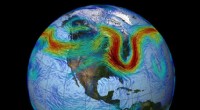
* Convection Currents: The slow, viscous flow of the mantle drives the process of plate tectonics. Convection currents, driven by heat from the Earth's core, cause the mantle to move in a circular pattern, dragging the tectonic plates on the surface along with it.
* Solidity: Despite its ability to flow, the mantle is still primarily composed of solid rock. The rock crystals within the mantle are tightly packed, giving it a solid structure. This is why seismic waves travel through the mantle at different speeds depending on whether they are passing through solid or molten regions.
In summary, the Earth's mantle is a semi-solid because it exhibits characteristics of both solids and liquids. It can deform and flow slowly due to heat and pressure, yet it retains a solid structure due to the tightly packed rock crystals.