Water:
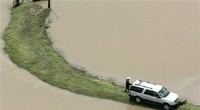
* Mississippi River: The river provides access to drinking water, irrigation, transportation, and fertile soil for agriculture.
* Underground aquifers: The area has access to underground aquifers that provide water for various uses.
Land:
* Fertile soil: The Mississippi River's floodplains provide fertile soil, making agriculture a significant economic activity in the region.
* Timber: The surrounding areas have forests that provide timber for construction and other industries.
Other Resources:
* Natural gas: There are natural gas deposits in the region, although extraction is not as prominent as in other parts of the United States.
* Minerals: Limited deposits of limestone, clay, and sand are found in the region, used for construction and other purposes.
Historically:
* Cotton: Cotton was a major cash crop in the Memphis region during the 19th century, contributing significantly to the area's economy.
Challenges:
* Pollution: The Mississippi River is susceptible to pollution from industrial activities and agricultural runoff, posing challenges for water quality and resource management.
* Depletion of aquifers: Overuse of underground aquifers can lead to depletion, impacting the long-term availability of water resources.
It's important to note that the specific natural resources and their availability may vary depending on the exact location within the Memphis area. However, the Mississippi River and its surrounding land have historically provided a foundation for the region's economic and societal development.