These samples include:
- Basalts: These dark-coloured, fine-grained igneous rocks are the most common type of rock found on the Moon. They were formed when molten rock cooled and solidified on the lunar surface.
- Breccias: These rocks are composed of fragments of other rocks that have been ejected, transported, and re-cemented together by heat or pressure.
- Anorthosites: These light-coloured, coarse-grained igneous rocks are composed primarily of plagioclase feldspar. They are thought to have formed early in the Moon's history.
- Soils: The lunar soil, or regolith, is composed of loose fragments of rock, minerals, and glass that have been broken down by impacts, micrometeoroids, and other processes.
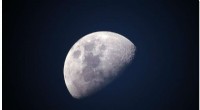
The lunar samples have been extensively studied by scientists to gain insights into the Moon's geology, mineralogy, and chemical composition. They have provided valuable information about the Moon's formation and evolution, as well as its history of impacts and volcanism.
Lunar samples have also been used for research in various scientific disciplines, including astrobiology, geochemistry, and planetary science. Some lunar samples are on public display at museums and science centres around the world, allowing people to see and learn about these fascinating pieces of extraterrestrial material.