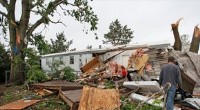
1. Papua New Guinea (7.6 Mw): On Sept 11, 2022,a powerful earthquake struck the coast of Papua New Guinea. It caused limited dammage and no initial reports of casualties.
2. Taiwan (6.9 Mw): A strong earthqauke hit Eastern Taiwan on Sept 18, 2022, triggering landslides and shaking buildings in the capital, taipi. Initial report indicated limited damage and no immediate reports of casualties.
3. New Zealand (6.1 Mw): A moderate earthqauke struck New Zealand's South island on Sept 21, 2022, centered near the town of Christchurch. There was some minor damage to building, but no report of major injuries.
4. Indonesia (5.6 Mw): An earthquake jolted Indonesia's main island of Java on Sept 23, 2022, centered in the province of West Java. The quake claimed atleast 268 live, with search and rescue operation underway.
Earthquakes can occur in any part of the world, but they are more common in certain locations. Some of the areas with higher seismic activity include:
- The Pacific Ring of Fire: This horseshoe-shaped region around the Pacific Ocean is home to about 75% of the world's earthquakes. It includes California, Japan, Indonesia, and New Zealand.
- The Mediterranean Sea: The Mediterranean Sea region is also prone to earthquakes, due to the convergence of the African and Eurasian plates. Countries like Italy, Greece, and Turkey experience significant seismic activity.
- The Indian Ocean: The Indian Ocean region, including countries like India, Pakistan, and Iran, is also vulnerable to earthquakes. The collision between the Indian and Eurasian plates contribute to seismic activity in this area.
- The Caribbean Sea: The Caribbean Sea region, particularly near the Dominican Republic and Haiti, experiences earthquakes due to the complex plate interactions between the North American and Caribbean plates.
- The African Rift System: The African Rift System, which runs through Eastern Africa, is associated with frequent earthquakes. Countries like Ethiopia, Kenya, and Tanzania experience seismic activity due to the divergent motion of tectonic plates.
It's important to note that earthquakes can occur in any location globally, and even areas considered low risk can experience seismic events. Governments, scientific communities, and emergency response agencies work together to monitor seismic activity, develop earthquake-resistant structures, and prepare for potential disasters.