Here are some common causes of land displacement:
1. Geological Processes:
a. Tectonic Activity: In areas where tectonic plates collide, the land can be uplifted or depressed, leading to displacement.
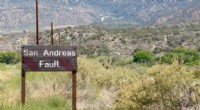
b. Earthquakes: Major seismic events can cause sudden land displacement, resulting in ground ruptures and changes in topography.
c. Volcanic Activity: Volcanic eruptions can release large amounts of magma from beneath the Earth's surface, causing the ground to sink.
2. Hydrological Processes:
a. Groundwater Extraction: Excessive pumping of groundwater can lead to a reduction in fluid pressure within underground aquifers, resulting in land displacement.
b. Reservoir Filling or Draining: Filling or draining of large reservoirs can cause changes in water pressure, leading to subsidence or uplift of the surrounding land.
3. Mining Activities:
Underground mining operations can extract minerals, creating voids that may cause the surface to sink.
4. Coastal Erosion:
Coastal areas are susceptible to land displacement due to erosion caused by wave action and coastal processes.
5. Permafrost Melting:
Melting of permafrost, typically found in arctic regions, can cause significant ground subsidence.
Consequences of Land Displacement:
1. Environmental Impacts:
- Flooding and Saltwater Intrusion: Subsidence in coastal areas can increase the risk of flooding and saltwater intrusion into freshwater aquifers.
- Habitat Destruction: Land displacement can alter ecosystems, affecting wildlife habitats and biodiversity.
2. Infrastructure Damage:
- Roads, bridges, buildings, and other infrastructure built on subsiding land can become damaged or destroyed, requiring costly repairs or reconstruction.
3. Economic Consequences:
- Loss of Agricultural Land: Displacement of coastal areas can result in the loss of agricultural land, impacting food production.
- Reduced Property Value: Areas prone to land displacement may experience a decline in property values, affecting local economies.
4. Social Impacts:
- Relocation of Communities: In severe cases, land displacement may force entire communities to relocate to safer areas.
Managing Land Displacement:
Addressing land displacement involves both preventive and adaptive strategies. It includes regulating groundwater extraction, sustainable mining practices, coastal erosion management, and monitoring of sensitive areas. Early detection and mitigation efforts are crucial to minimize the impacts and ensure the safety of affected populations and infrastructure.