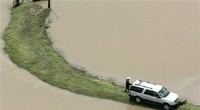
1. Water Erosion: Heavy rainfall and flooding can cause significant water erosion in the region. As water flows over the land, it can carry away soil, sediment, and debris, leading to the formation of gullies, canyons, and arroyos.
2. Wind Erosion: Strong winds are common in West Texas, and they can cause severe wind erosion. The lack of vegetation and the dryness of the soil make it susceptible to being picked up and transported by the wind. This type of erosion can result in the formation of sand dunes, deflation hollows, and dust storms.
3. Sheet Erosion: Sheet erosion occurs when thin layers of soil are removed uniformly from a large area. It is often caused by the combined effects of water and wind erosion. Sheet erosion can be difficult to detect, but it can significantly degrade soil quality and productivity over time.
4. Rill Erosion: Rill erosion is a type of water erosion that occurs when small channels or rills are formed on the land surface. It is often the initial stage of gully erosion and can be caused by heavy rainfall or improper water management practices.
5. Gully Erosion: Gully erosion is a severe form of water erosion that occurs when deep channels or gullies are formed on the land surface. It is often caused by concentrated water flow and can lead to the loss of large amounts of soil and the formation of steep, unstable slopes.