Erosion
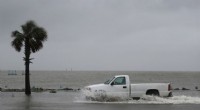
Erosion is driven by a variety of forces, including wind, water, and gravity. Wind erosion is common in dry areas, while water erosion is more common in wet areas. Gravity erosion occurs when soil is moved downhill by gravity.
Erosion can be a problem for farmers, as it can remove topsoil and nutrients from the soil. However, erosion can also be beneficial, as it can transport soil to new areas and create new soil profiles.
Deposition
Deposition occurs when eroded soil is deposited in a new location. Deposition can occur in a variety of places, including river valleys, floodplains, and deltas.
Deposited soil can be a valuable resource for farmers, as it can add nutrients and organic matter to the soil. Deposition can also help to improve drainage and aeration in the soil.
Central Valleys
Central valleys are often formed by the action of erosion and deposition. As rivers flow through valleys, they erode the soil on the sides of the valley and deposit it in the middle of the valley. Over time, this process creates a fertile soil profile that is ideal for agriculture.
The fertile soils of central valleys are home to some of the most productive agricultural land in the world. These valleys produce a wide variety of crops, including fruits, vegetables, and grains.
Conclusion
Erosion and deposition are important processes that play a role in creating the fertile soils of central valleys. These processes can be both beneficial and harmful to farmers, but their overall impact is positive.