1. Temperature and Salinity:
The temperature and salinity of a water mass are two of the most important factors in its identification. Different water masses have distinct temperature and salinity ranges, which can be measured using instruments such as thermometers and salinometers. By comparing the temperature and salinity of a water mass to known values, scientists can determine its identity.
2. Density:
Density is another important factor in identifying water masses. Density is determined by the temperature, salinity, and pressure of the water. Denser water masses are usually found at greater depths, while less dense water masses are found near the surface. By measuring the density of a water mass, scientists can determine its approximate depth and origin.
3. Tracers:
Tracers are substances that are introduced into the ocean and can be used to track the movement of water masses. Tracers can include natural substances, such as oxygen isotopes, or artificial substances, such as dyes. By tracking the movement of tracers, scientists can determine the circulation patterns of water masses and how they interact with each other.
4. Remote Sensing:
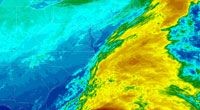
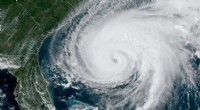
Remote sensing techniques, such as satellite imagery and sonar, can be used to identify and track water masses. Satellite imagery can provide information about the temperature, color, and surface roughness of the ocean, which can be used to identify different water masses. Sonar can be used to measure the depth and density of water masses, as well as the movement of currents.
By combining these methods, scientists can identify and track individual water masses within the ocean. This information is crucial for understanding the ocean's circulation patterns, climate dynamics, and the distribution of marine life.