1. Plate Tectonics: The movement of Earth's tectonic plates through processes like continental drift, subduction, and collision shapes major landforms. Plate boundaries give rise to features such as mountain ranges, rift valleys, and ocean basins.
2. Erosion and Deposition: Erosion by water, wind, and ice, and the subsequent deposition of sediments and materials, play crucial roles in modifying landscapes. Water carves out river valleys, glaciers shape U-shaped valleys, and wind creates desert dunes.
3. Volcanic Activity: Volcanic eruptions and lava flows can build up volcanic mountains and plateaus, like the Hawaiian Islands or the Deccan Plateau in India. Volcanic ash deposits can also shape landforms.
4. Glaciation: The movement and melting of glaciers during ice ages have a significant impact on landscapes. Glacial erosion creates fjords, cirques, and moraines, while glacial deposits form hills, drumlins, and outwash plains.
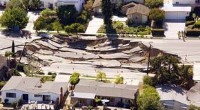
5. Karst Topography: This type of landscape forms in areas with soluble bedrock, such as limestone or gypsum. Water seeping into the bedrock creates underground drainage systems, caves, sinkholes, and karst towers.
6. Marine Processes: Coastal erosion, deposition, and the formation of coral reefs are key factors in the development of coastal landforms, such as cliffs, beaches, spits, and barrier islands.
7. Tectonic Uplift and Subsidence: Vertical movements of the Earth's crust due to tectonic forces can lead to the uplift of mountains or the subsidence of basins, modifying landforms and drainage patterns.
8. Climate and Weathering: Long-term climatic conditions can contribute to weathering and erosion processes. Freeze-thaw cycles, chemical weathering, and temperature changes impact rock formations and shape landforms.
9. Human Activities: Human modifications to the landscape through agriculture, urbanization, deforestation, and construction also influence landform development on both local and regional scales.
It is important to note that these processes often interact and influence each other, leading to complex and diverse landforms that characterize the Earth's surface.