The process of convection works in the following way:
1. A fluid is heated, causing its density to decrease.
2. The less dense fluid rises due to buoyancy, while the denser fluid sinks.
3. The rising fluid cools and becomes denser, causing it to sink again.
4. The sinking fluid is then heated, and the cycle repeats.
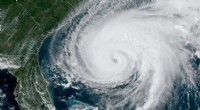
Convection currents can occur in any fluid, but they are most commonly associated with hot liquids and gases. For example, convection currents are what cause the Earth's atmosphere to circulate, and they are also responsible for the formation of clouds.
In the Earth's atmosphere, convection currents are caused by the uneven heating of the Earth's surface by the sun. The Sun's energy is strongest at the equator, which causes the air in this region to heat up and rise. The rising air then cools and sinks at the poles, creating a continuous cycle of air movement.
Convection currents are also important in the formation of clouds. When air rises, it cools and its water vapour condenses into liquid droplets. These droplets form clouds, which can eventually turn into rain or snow.
Convection currents play a vital role in the Earth's climate and weather patterns. They also play a role in many other natural phenomena, such as the formation of ocean currents and the movement of tectonic plates.