• Home
  • Chemistry
  • Astronomy
  • Energy
  • Nature
  • Biology
  • Physics
  • Electronics
  • The Formation of the Rocky Mountains: A Geological History
    The Rocky Mountains were formed as a result of two tectonic plates colliding with each other. The Farallon Plate and the North American Plate collided around 80 million years ago, and the Farallon Plate began to subduct beneath the North American Plate. This caused the crust of the North American Plate to thicken and rise, forming the Rocky Mountains.

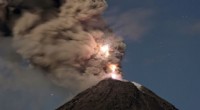
    The collision of the two plates also caused the formation of magma, which rose to the surface and formed volcanoes. Many of the peaks in the Rocky Mountains are actually extinct volcanoes. The highest peak in the Rocky Mountains is Mount Elbert, which is located in Colorado and has an elevation of 14,440 feet (4,401 meters).

    The Rocky Mountains are still rising today, although the rate of uplift has slowed down considerably. The mountains are also being eroded by wind, water, and ice, which is slowly wearing them down.


    Science Discoveries © www.scienceaq.com