1. Climate: Climate greatly influences the formation of soil. Factors such as temperature, rainfall, and wind affect the rate of weathering, the type of vegetation that grows, and the amount of organic matter in the soil. For example, in hot and humid climates, rapid weathering and decomposition of organic matter result in soils rich in iron and aluminum oxides, while in cool and dry climates, slow weathering and accumulation of organic matter lead to the formation of soils rich in humus.
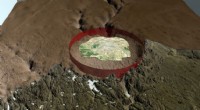
2. Parent Material: The parent material refers to the geological material from which the soil is derived. It can be bedrock, glacial deposits, alluvial sediments, volcanic ash, or organic matter. The composition and texture of the parent material determine the initial characteristics of the soil, influencing its fertility, drainage, and other properties.
3. Vegetation: The type and density of vegetation growing in an area significantly impact the soil. Plants contribute organic matter to the soil, which improves its structure, water-holding capacity, and nutrient content. Different plants release different types of organic compounds into the soil, affecting its chemical composition.
4. Relief: The topography and slope of the land affect soil formation. Steep slopes are more prone to erosion, leading to the loss of topsoil and nutrients. In flat areas, water may accumulate, causing poor drainage and the development of hydromorphic soils.
5. Time: Soil formation is a dynamic process that occurs over long periods. The age of the soil influences its development and characteristics. Older soils have had more time to undergo weathering and the accumulation of organic matter, leading to deeper and more mature soil profiles.
6. Biological Activity: Earthworms, ants, termites, and other soil organisms play a crucial role in soil formation and maintenance. They contribute to the breakdown of organic matter, improve aeration and drainage, and facilitate the cycling of nutrients.
7. Human Activities: Human interventions such as agriculture, deforestation, irrigation, and urbanization can alter the natural soil-forming processes. Cultivation practices, fertilization, and the use of pesticides can modify the soil's physical, chemical, and biological properties.
Understanding the factors that determine soil type is essential for soil management and conservation, as well as for making informed decisions about land use and agricultural practices.