- Mountains: When two plates collide, one plate may be forced to move beneath the other in a process called subduction. As the plates move, the heavier plate sinks into the mantle, and the lighter plate rises. This process can create mountains, such as the Andes Mountains in South America and the Himalayas in Asia.
- Volcanoes: Volcanoes are formed when magma from the Earth's mantle rises to the surface. This can occur when two plates move apart, creating a rift valley. The magma can fill the rift valley, forming a new ocean basin. It can also erupt onto the surface, creating a volcano.
- Trenches: Trenches are deep, narrow valleys on the ocean floor. They are formed when one plate moves beneath another in a process called subduction. The subducting plate sinks into the mantle, and the overriding plate moves over the top of it. This process can create deep trenches, such as the Mariana Trench in the Pacific Ocean.
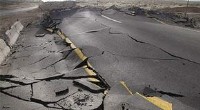
- Faults: Faults are cracks in the Earth's crust where rocks have broken and moved. They are often formed when two plates move past each other. Faults can be either strike-slip faults, where the rocks move horizontally past each other, or dip-slip faults, where the rocks move vertically past each other.
- Folds: Folds are bends in the Earth's crust. They are often formed when two plates collide and the rocks on the edges of the plates are pushed up or down. Folds can be either anticlines, where the rocks are pushed up, or synclines, where the rocks are pushed down.
The movements of tectonic plates are a complex and dynamic process. They are constantly changing the Earth's surface, creating new crustal features and destroying old ones.