Sediment is any material that is transported and deposited by wind, water, or ice. This can include sand, silt, clay, gravel, and organic material. When sediment is deposited, it gradually builds up into layers. The weight of the overlying sediment compresses the layers, causing them to harden and form sedimentary rocks.
The different types of sedimentary rocks that can form depend on the size of the sediment particles, the type of cement that binds the particles together, and the presence of organic material. For example, sandstone is formed from sand-sized particles that are cemented together by silica. Limestone is formed from calcium carbonate that is deposited by organisms such as corals and shellfish. Shale is formed from clay-sized particles that are compacted and cemented together.
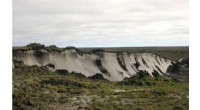
Strata can provide important information about the Earth's history. The type of sediment that is deposited can indicate the climate and environment of the time. The thickness of the strata can indicate the amount of time that has passed. The presence of fossils in the strata can provide information about the plants and animals that lived during the time when the sediment was deposited.
Strata are found in many parts of the world. Some of the most famous strata include the Grand Canyon in the United States, the White Cliffs of Dover in England, and the Great Wall of China.