When a continental plate collides with an oceanic plate and overtakes it, a process known as subduction occurs. Subduction zones are regions where one tectonic plate moves beneath another, sinking into the Earth's mantle. The oceanic plate, being denser, is usually the one that subducts beneath the continental plate.
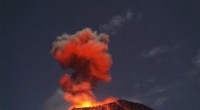
As the oceanic plate moves beneath the continental plate, it heats up and melts. The molten rock rises to the surface and forms volcanoes. The subduction of the oceanic plate also creates deep oceanic trenches along the boundary of the two plates.
Subduction zones are also responsible for the creation of mountain ranges. As the oceanic plate moves beneath the continental plate, it causes the continental crust to thicken and uplift, eventually forming mountains. The Andes Mountains in South America and the Cascade Range in North America are examples of mountain ranges that have formed due to subduction.
The process of subduction is a major driving force behind the movement of tectonic plates and the formation of new geological features. It also plays a significant role in the recycling of the Earth's crustal material and the release of heat and energy from the Earth's interior.