The process of erosion by waves is influenced by a number of factors, including the size and strength of the waves, the type of rock, and the presence of other materials such as sand and gravel. In general, larger and more powerful waves are more effective at eroding rock. Softer rocks, such as sandstone and limestone, are also more easily eroded than harder rocks, such as granite. The presence of sand and gravel can help to protect rock from erosion by waves, as the sand and gravel can absorb some of the wave energy.
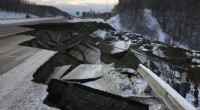
Erosion by waves can be a significant problem in coastal areas, as it can lead to the loss of land and property. In some cases, erosion can also be a hazard to human life, as it can undermine roads, bridges, and other structures.
Here is a more detailed explanation of the process of erosion by waves:
1. Waves crash against the coastline, breaking down the rock into smaller and smaller pieces.
2. The smaller pieces of rock are then carried away by the waves.
3. The waves can also grind the smaller pieces of rock against each other, further breaking them down into sand.
4. Over time, the continuous crashing of waves against the coastline can wear down even the hardest rocks into sand.
The rate of erosion by waves can vary depending on a number of factors, including the following:
* The size and strength of the waves
* The type of rock
* The presence of other materials such as sand and gravel
* The climate
* The geomorphology of the coastline
Erosion by waves is a natural process, but it can be accelerated by human activities such as construction and deforestation. In some cases, erosion can be so severe that it can lead to the loss of entire beaches and the displacement of coastal communities.