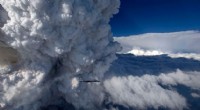
Volcanoes are one of the most powerful and destructive forces on Earth. They can erupt with little warning, spewing ash, gas, and molten rock into the atmosphere. These eruptions can cause widespread damage and loss of life.
But what exactly are volcanoes, and how do they work?
What is a volcano?
A volcano is a vent in the Earth's crust through which magma, ash, and gas erupt. Magma is molten rock that comes from deep within the Earth. When magma reaches the surface, it is called lava.
How do volcanoes form?
Volcanoes form when tectonic plates move apart or collide. When tectonic plates move apart, magma rises to the surface and fills the gap. When tectonic plates collide, the denser plate is forced beneath the less dense plate. As the denser plate sinks, it melts and rises to the surface.
What are the different types of volcanoes?
There are three main types of volcanoes:
* Shield volcanoes are broad, gently sloping volcanoes. They are formed by the eruption of low-viscosity lava.
* Composite volcanoes, also known as stratovolcanoes, are steep-sided volcanoes that are made up of layers of ash, lava, and pyroclastic rock.
* Calderas are large, basin-shaped depressions that are formed when a volcano collapses.
What are the dangers of volcanoes?
Volcanoes can pose a number of dangers, including:
* Ashfall: Ashfall can block sunlight, which can lead to cooling and darkness. It can also clog water supplies and damage crops.
* Lahars: Lahars are mudflows that are made up of volcanic ash, water, and debris. They can travel at speeds of up to 60 miles per hour and destroy everything in their path.
* Pyroclastic flows: Pyroclastic flows are fast-moving clouds of hot ash and gas. They can reach temperatures of up to 1,200 degrees Fahrenheit and travel at speeds of up to 600 miles per hour. Pyroclastic flows can incinerate everything in their path.
How can we protect ourselves from volcanoes?
There are a number of things that we can do to protect ourselves from volcanoes, including:
* Monitor volcanoes: Scientists can monitor volcanoes for signs of activity. This information can be used to evacuate people if an eruption is imminent.
* Build defenses: We can build structures to protect ourselves from volcanic ash, lahars, and pyroclastic flows.
* Educate ourselves: It is important to educate ourselves about volcanoes and the dangers that they pose. This knowledge can help us to make informed decisions about how to protect ourselves.
Conclusion
Volcanoes are powerful and dangerous forces of nature. However, we can protect ourselves from their dangers by monitoring them, building defenses, and educating ourselves.