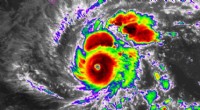
The images are a reminder of the destructive power of hurricanes and the importance of coastal resilience.
Hurricane Sandy was one of the most destructive storms in recent history. It caused an estimated $75 billion in damage and left millions without power. The storm also had a significant impact on the environment.
The hurricane's winds and waves caused extensive coastal erosion along the Mid-Atlantic and Northeastern coasts of the United States. In some areas, entire beaches were washed away, leaving behind a barren landscape of sand dunes.
In New Jersey, Hurricane Sandy caused an estimated $3 billion in damage. The storm surge washed over dunes and levees, flooding coastal communities. The storm also produced high winds that downed power lines and trees, and caused significant structural damage.
The images from NASA's Earth Observatory website provide a glimpse of the devastation caused by Hurricane Sandy. They are a reminder of the importance of coastal resilience and the need to prepare for future storms.
Here are some of the specific coastal changes that Hurricane Sandy caused in New Jersey:
* In Atlantic City, a section of the boardwalk was destroyed. The storm also caused significant flooding and damage to casinos and other buildings along the beachfront.
* In Seaside Heights, an amusement park pier was destroyed. The storm also caused extensive flooding and damage to businesses and homes.
* In Point Pleasant Beach, a section of the beach was washed away. The storm also caused flooding and damage to businesses and homes.
* In Sandy Hook, a portion of the beach was eroded and several buildings were damaged. The storm also caused flooding and damage to roads and other infrastructure.
These are just some of the coastal changes that Hurricane Sandy caused in New Jersey. The storm's impact on the state was significant and it will take many years to rebuild and recover.