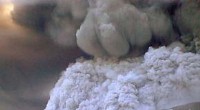
This crystallization process released a lot of heat, which caused the remaining liquid rock to become even hotter. This hotter rock rose to the surface, where it erupted as volcanoes. The volcanic activity spewed out more rock, which cooled and crystallized, adding to the thickness of the crust.
Over time, the Earth's crust continued to grow thicker and cooler. This allowed life to begin to develop on the planet.
The magma ocean crystallization theory is based on evidence from studies of the Earth's crust and mantle. These studies have shown that the crust is made up of different types of rocks, which formed at different times. The mantle, which is the layer of rock beneath the crust, is also made up of different types of rocks, which formed at different times.
The magma ocean crystallization theory provides a plausible explanation for how the Earth's crust was created. This theory could also help scientists to understand how other planets with crusts, such as Mars and Venus, were formed.
Here is a more detailed explanation of the magma ocean crystallization theory:
1. The Earth began as a hot, molten ball of rock. This rock was so hot that it was completely liquid.
2. As the Earth cooled, the outer layer of this ball began to crystallize. This crystallization process released a lot of heat, which caused the remaining liquid rock to become even hotter.
3. This hotter rock rose to the surface, where it erupted as volcanoes. The volcanic activity spewed out more rock, which cooled and crystallized, adding to the thickness of the crust.
4. Over time, the Earth's crust continued to grow thicker and cooler. This allowed life to begin to develop on the planet.
The magma ocean crystallization theory is still being studied and tested by scientists. However, it is currently the leading theory for how the Earth's crust was created.