1. Climate Change: Climate change is a significant factor that could impact snow patterns in Hawaiʻi. As global temperatures rise, the snowline on mountains worldwide is expected to move to higher elevations. This means that while snow may continue to fall on the summits of Mauna Kea and Mauna Loa, the frequency and amount of snowfall could decrease.
2. La Niña: La Niña is a climate pattern associated with cooler ocean temperatures in the Pacific Ocean. During La Niña years, Hawaiʻi tends to experience wetter and cooler weather, which can increase the chances of snowfall at high elevations. However, La Niña events are part of natural climate variability and do not necessarily occur every year.
3. El Niño: El Niño, the opposite of La Niña, is associated with warmer ocean temperatures in the Pacific Ocean. During El Niño years, Hawaiʻi typically experiences drier and warmer conditions, making snowfall at high elevations less likely.
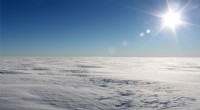
4. Elevation and Microclimates: The potential for snowfall in Hawaiʻi is primarily limited to the highest peaks of Mauna Kea and Mauna Loa, where temperatures are cooler. These areas experience a unique microclimate that can support snowfall during cold weather conditions. Lower elevations in Hawaiʻi are generally too warm for snow to accumulate.
5. Frequency and Duration: Snowfall in Hawaiʻi is a sporadic occurrence, and when it does happen, it tends to be light and doesn't last long. Significant snowfalls capable of accumulating and forming snowpack are rare and usually associated with strong storm systems and very low temperatures.
Based on these factors, the future of snow in Hawaiʻi is likely to be influenced by the combined effects of climate change, prevailing climate patterns, and specific weather events. While the frequency and amount of snowfall may decrease over time due to rising global temperatures, occasional snowfall events could still occur on the highest peaks of Mauna Kea and Mauna Loa under favorable atmospheric conditions.