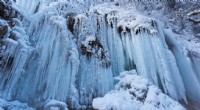
Glaciers form when snow accumulates and compacts over time, eventually turning into ice. As glaciers melt, they release water into rivers and streams, providing a vital source of fresh water for drinking, agriculture, and industry. However, glaciers are not the only source of water.
There are several other sources of water on Earth, including:
1. Rainfall: Rainfall is the primary source of water replenishment for most regions. When rain falls, it can either be absorbed into the ground (infiltration) or flow over the land surface (runoff). Infiltration contributes to groundwater recharge, while runoff can form streams and rivers.
2. Snowfall: Snowfall is another important source of water, especially in mountainous areas. When snow melts, it releases water just like glaciers do.
3. Groundwater: Groundwater is water that is stored underground in aquifers, which are layers of permeable rock or sediment. Groundwater can be accessed through wells, springs, and boreholes.
4. Lakes and reservoirs: Lakes and reservoirs are natural or artificial bodies of water that store large volumes of water. They can be used for various purposes, including drinking water supply, irrigation, and flood control.
5. Desalination: Desalination is the process of removing salt and other minerals from seawater to produce fresh water. Desalination plants are becoming increasingly important in regions with limited access to fresh water.
While glaciers play a significant role in the global water cycle, their contribution is not the only one. There are multiple other sources of water that sustain life on Earth.