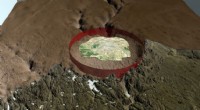
The leading theory is that an asteroid or comet impact near what is now the Yucatán Peninsula in Mexico caused the extinction of the dinosaurs. This impact, known as the Chicxulub impact, is estimated to have occurred 66 million years ago and would have created a crater about 93 miles (150 kilometers) in diameter. The impact would have released enormous amounts of dust and debris into the atmosphere, blocking out the sun and causing a global winter. This would have led to the extinction of plants and animals, including the dinosaurs.
Other theories
In addition to the Chicxulub impact, there are several other theories about what killed the dinosaurs. These include:
* Climate change: Some scientists believe that climate change, such as a prolonged period of global cooling, may have played a role in the dinosaurs' extinction.
* Disease: Disease may have also contributed to the dinosaurs' demise. A bacterial infection or virus could have spread through the dinosaur population, making them more vulnerable to other threats.
* Competition from mammals: Some scientists believe that mammals may have played a role in the dinosaurs' extinction by competing with them for food and resources.
It is likely that a combination of factors, including the Chicxulub impact, climate change, disease, and competition from mammals, led to the extinction of the dinosaurs.
Extinction of the dinosaurs
The extinction of the dinosaurs was a major event in Earth's history. It marked the end of the Mesozoic Era and the beginning of the Cenozoic Era. The extinction of the dinosaurs allowed mammals to thrive and ultimately led to the evolution of humans.
The extinction of the dinosaurs is a reminder of the fragility of life on Earth. Even the most powerful and successful species can be wiped out by a single event.