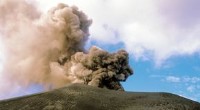
Mount Fuji's last eruption occurred in 1707, and it is estimated that it will erupt again within the next 100 years. When it does, it will have a significant impact on the surrounding area. The eruption could cause widespread damage and disruption, and it could even pose a threat to human life.
In preparation for the next eruption, Japanese scientists are closely monitoring Mount Fuji's activity. They are also developing plans to mitigate the damage that the eruption could cause. These plans include building evacuation routes, stockpiling emergency supplies, and raising public awareness of the risks associated with volcanic eruptions.
While the next eruption of Mount Fuji is inevitable, it is important to remember that it is also a natural event. By taking steps to prepare for the eruption, we can help to reduce its impact and keep people safe.
Here are some facts about Mount Fuji's volcanic activity:
- Mount Fuji is a stratovolcano, which is a type of volcano that is formed by the accumulation of layers of lava and ash.
- Mount Fuji is the highest mountain in Japan, with an elevation of 3,776 meters (12,388 feet).
- Mount Fuji is located on the island of Honshu, about 100 kilometers (62 miles) southwest of Tokyo.
- Mount Fuji is part of the Fuji-Hakone-Izu National Park, which is a popular tourist destination.
- Mount Fuji is a UNESCO World Heritage Site.