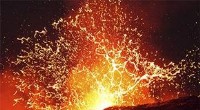
An earthquake is a sudden, rapid shaking of the Earth caused by the movement of tectonic plates or the release of energy in the Earth's crust. It can be caused by natural processes such as volcanic eruptions or the shifting of tectonic plates, or by human activities such as underground mining or fracking.
How do Earthquakes Work?
Earthquakes occur when tectonic plates, which are large pieces of the Earth's crust, move against each other. When plates collide, one plate may be forced under the other in a process called subduction. As the plates move, they create friction and heat, which builds up over time. When the pressure becomes too great, the plates suddenly slip, releasing energy in the form of seismic waves.
These seismic waves are vibrations that travel through the Earth's crust and are recorded by seismographs. The magnitude of an earthquake is measured on the Richter scale, which ranges from 1 to 10, with 10 being the strongest possible earthquake.
What are the Different Types of Earthquakes?
There are two main types of earthquakes: shallow and deep. Shallow earthquakes occur less than 70 kilometers below the Earth's surface, while deep earthquakes occur more than 70 kilometers below the surface.
Shallow earthquakes are more common and typically cause more damage than deep earthquakes. Deep earthquakes are less frequent, but they can be felt over a wider area because their seismic waves travel longer distances through the Earth's crust.
What are the Effects of Earthquakes?
Earthquakes can have a range of effects, from minor shaking to major structural damage and loss of life. The effects of an earthquake depend on several factors, including the magnitude of the earthquake, the distance from the epicenter (the point on the Earth's surface directly above the earthquake), and the local geology.
Some of the effects of earthquakes include:
* Ground shaking
* Liquefaction (the process by which solid ground transforms into a liquid state)
* Landslides
* Tsunamis (large waves caused by earthquakes that can travel across the ocean)
* Structural damage
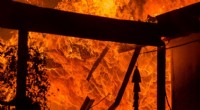
* Fire
* Loss of life
How can we Prepare for Earthquakes?
There are several things we can do to prepare for earthquakes, including:
* Educating ourselves about earthquakes and their risks
* Developing an emergency plan
* Storing food, water, and other supplies
* Reinforcing our homes and businesses
* Participating in earthquake drills
By taking these steps, we can help to reduce the risks associated with earthquakes and protect ourselves and our loved ones.