Organisms obtain energy through a variety of methods, depending on their classification and their environment. Here are the main ways:
1. Autotrophs:
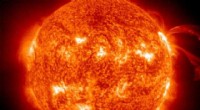
* Photosynthesis: Plants, algae, and some bacteria use sunlight as their energy source. They capture light energy and convert it into chemical energy stored in sugars. This process uses carbon dioxide and water as reactants and releases oxygen as a byproduct.
* Chemosynthesis: Some bacteria obtain energy from inorganic chemicals like hydrogen sulfide, methane, or iron. They use these chemicals to produce energy and create organic molecules.
2. Heterotrophs:
* Consuming other organisms: Animals, fungi, and most bacteria obtain energy by consuming other organisms, either directly (eating plants or animals) or indirectly (consuming decomposing organic matter).
* Digestion: Heterotrophs break down the complex molecules of their food into simpler ones, releasing energy in the process.
3. Parasitism:
* Some organisms obtain energy by living inside or on another organism (host) and feeding on its tissues or fluids. This can be harmful to the host.
Energy is crucial for life because it fuels all the processes that keep organisms alive and functioning. These processes include:
* Growth and development: Energy is needed to synthesize new cells, tissues, and organs, allowing organisms to grow and develop.
* Movement: Energy is required for muscles to contract and for organisms to move around, find food, and avoid danger.
* Reproduction: Reproduction involves the creation of new organisms, a process that requires significant energy expenditure.
* Maintenance: Energy is required for the constant repair and replacement of damaged cells and tissues, as well as for regulating body temperature and maintaining homeostasis.
* Communication: Energy is used to send and receive signals within the organism and with the environment, facilitating communication and coordination.
* Metabolic processes: From building and breaking down complex molecules to transporting substances, energy is constantly used in all metabolic processes occurring within cells.
In essence, energy is the driving force behind all life processes. Without energy, organisms wouldn't be able to grow, move, reproduce, or even maintain their basic functions.