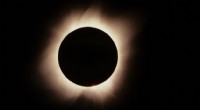
* Vastly Different Scales: The Sun emits an enormous amount of energy, a tiny fraction of which reaches Earth. Of that tiny fraction, only a minuscule amount is captured by plants through photosynthesis.
* Complex Energy Flows: Energy flows through ecosystems in complicated ways. Plants use sunlight for photosynthesis, but animals eat plants, and decomposers break down both plants and animals. The energy is constantly transformed and transferred.
* No Single Measurement: There's no single "meter" to measure all the energy used by organisms. We can estimate energy flow in specific ecosystems or for particular species, but a global figure is very difficult to obtain.
However, we can make some general statements:
* Photosynthesis is Key: The vast majority of energy used by organisms on Earth originates from the sun and is captured through photosynthesis by plants and algae.
* Efficiency is Low: Photosynthesis is only about 1% efficient. This means that only about 1% of the sunlight that reaches Earth's surface is actually converted into usable energy by plants.
* Energy Loss: As energy is transferred from one organism to another, some is lost as heat. This means that the higher up the food chain you go, the less energy is available.
In conclusion: While we can't put an exact number on it, the amount of the Sun's energy used by organisms is a tiny fraction of the total energy emitted.