1. Glycolysis: The process begins with the breakdown of glucose (a sugar) into pyruvate. This occurs in the cytoplasm of the cell.
2. Krebs Cycle (Citric Acid Cycle): Pyruvate enters the mitochondria (the "powerhouse" of the cell) and is further broken down in a series of reactions called the Krebs cycle. This generates electron carriers (NADH and FADH2).
3. Electron Transport Chain: The electron carriers deliver electrons to the electron transport chain, which is embedded in the mitochondrial membrane. This flow of electrons releases energy, which is used to pump protons across the membrane, creating a concentration gradient.
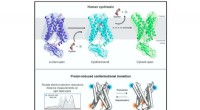
4. ATP Production: The protons flow back across the membrane through ATP synthase, a specialized protein. This flow of protons drives the production of ATP (adenosine triphosphate), the primary energy currency of cells.
Where does the glucose come from?
* Seed reserves: Many seeds contain stored food reserves, often in the form of starches or oils. These reserves are broken down into glucose during germination.
* Photosynthesis: Once the seed germinates and grows into a plant, it can produce its own glucose through photosynthesis.
Key points:
* Cellular respiration is an essential process that allows seeds to grow and develop.
* It is a continuous process that occurs in all living cells.
* The energy released from respiration is used for various cellular functions like growth, repair, and movement.
Note: The specific details of cellular respiration may vary slightly depending on the type of seed. However, the fundamental principles remain the same.