Radio transmission and reception relies on the principles of electromagnetism, specifically electromagnetic waves.
Here's a breakdown:
1. Generating Radio Waves:
* Electromagnetic Oscillations: Radio transmitters use oscillating electric circuits to create electromagnetic waves.
* Antenna: The antenna acts like a "whip" for these waves, converting electrical oscillations into electromagnetic waves that travel through the air.
* Frequency: Each radio station is assigned a specific frequency, which determines the wavelength of the emitted waves.
* Modulation: To carry information (sound, music, etc.), the radio wave's amplitude or frequency is modulated. This is like adding information to the wave itself.
2. Receiving Radio Waves:
* Antenna: The receiver's antenna picks up the electromagnetic waves.
* De-modulation: The receiver extracts the modulated information from the wave.
* Amplification: The weak signal is amplified to become audible.
* Speaker: The amplified signal is then converted into sound waves by the speaker.
Key Concepts:
* Electromagnetic Spectrum: Radio waves are a part of the electromagnetic spectrum, which includes various types of radiation, each with different wavelengths and frequencies.
* Frequency: Frequency measures the number of oscillations per second, measured in Hertz (Hz). Higher frequency means shorter wavelength.
* Wavelength: Wavelength is the distance between two crests of a wave.
* Amplitude: Amplitude is the maximum displacement of a wave from its equilibrium position.
In Summary:
Radios work by sending and receiving electromagnetic waves. These waves are generated by oscillating electric circuits and modulated to carry information. The receiving antenna captures these waves, demodulates the information, amplifies it, and converts it into audible sound.
Further Exploration:
* AM and FM radio: These are two common methods of modulation used in radio broadcasting.
* Digital radio: Modern radio technology also uses digital transmission and reception methods.
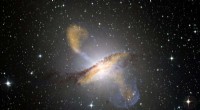
* Radio telescopes: Radio waves can be used to study distant astronomical objects.
This is just a simplified explanation of the science behind radios. There are many more details and complexities involved, but this provides a basic understanding of the principles at work.