1. Choose Your Toy Concept:
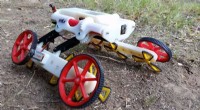
* Simple Design: Start with something easy to build. Think of a small car, a walking robot, or a spinning propeller.
* Material Choices: Consider using cardboard, plastic, or even recycled materials for the toy's body.
* Movement Mechanism: You could use:
* Motor: A small DC motor is the most common choice for movement.
* Wheels: Use small wheels or even bottle caps to help your toy move.
* Crank Mechanism: For a simple design, a crank connected to a gear system could work.
2. Gather Materials:
* Battery Pack: A 9-volt battery pack is often a good choice.
* Motor: A small DC motor, like a toy car motor or a hobby motor.
* Switch: A simple on/off switch to control the power flow.
* Wire: Insulated copper wire for connecting components.
* Light: A small LED or a miniature incandescent bulb.
* Sound Source: A small buzzer, a speaker, or even a homemade sound effect device (e.g., a metal container with a small object inside).
* Structural Materials: Cardboard, plastic, wood, or recycled materials for building the toy.
* Other Supplies: Glue, tape, tools for cutting and shaping materials.
3. Build the Electrical Circuit:
* Motor Circuit: Connect the positive (+) lead from the battery pack to one terminal of the motor. Connect the other terminal of the motor to the switch. Connect the other lead of the switch to the negative (-) lead of the battery pack.
* Light Circuit: Connect the positive (+) lead of the battery pack to the long leg (positive) of the LED. Connect the short leg (negative) of the LED to the negative (-) lead of the battery pack. You might need a resistor (e.g., 220 ohms) in the circuit if the LED is too bright.
* Sound Circuit: Connect the positive (+) lead of the battery pack to one terminal of the buzzer. Connect the other terminal of the buzzer to the negative (-) lead of the battery pack.
4. Construct the Toy's Body:
* Design and Shape: Think about how you want your toy to look. You can cut out shapes from cardboard, plastic, or other materials.
* Assemble the Components: Secure the motor, switch, LED, and sound source in the toy's body. You can use glue, tape, or other fastening methods.
* Create Movement: If using a motor, attach the motor shaft to a wheel or gear system. If using a crank mechanism, ensure the crank is securely connected to the moving part of your toy.
5. Test and Refine:
* Power Up: Connect the battery pack and test your toy. Make sure the motor runs smoothly, the light shines brightly, and the sound plays clearly.
* Adjustments: If necessary, adjust the circuit connections or the toy's design to improve performance.
Here are some important considerations:
* Safety: Use insulated wire and properly connect components to avoid electrical shocks.
* Power Consumption: A 9-volt battery may not last long if you have multiple components. Consider using a rechargeable battery pack if you need longer playtime.
* Durability: Choose materials and construction methods that will hold up to play.
* Creativity: Have fun with your design and experiment with different materials and components.
Additional Tips:
* Make It Personal: Add unique details, decorations, or paint to give your toy a personal touch.
* Consider Adding a Timer: A simple timer circuit can turn the toy on and off automatically.
* Explore More Advanced Features: As you gain experience, you can incorporate features like sensors, remote control, or more complex sound and lighting effects.
Remember, this is a basic guide. You can find numerous resources online and in libraries that offer more detailed instructions and projects. Good luck with your toy making adventure!