Here's a breakdown of the key components:
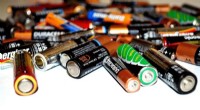
* Source of electrical energy: This provides the power that drives the circuit. Examples include batteries, generators, and power outlets.
* Electrical load: This is the component that uses the electrical energy. Examples include light bulbs, motors, and electronic devices.
* Closed loop: The circuit must be a continuous loop for the current to flow. This means the path from the source to the load and back to the source must be complete, without any breaks.
Think of it like a water system:
* The source is like a pump that pushes the water.
* The load is like a water wheel that uses the water's energy to turn.
* The closed loop is like the pipes that carry the water from the pump to the wheel and back.
In essence, an electric circuit is the pathway that allows electrical energy to be transferred and used.