Here's how it works:
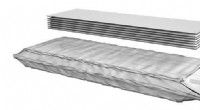
* Two Different Metals: The strip is made of two different metals, like brass and steel, which have different coefficients of thermal expansion. This means they expand and contract at different rates when heated or cooled.
* Attachment: The two metals are bonded together, usually by welding or riveting.
* Unequal Expansion: When the strip is heated, the metal with the higher coefficient of expansion (usually brass) expands more than the other metal. This causes the strip to bend.
* Unequal Contraction: When the strip cools, the same process happens in reverse. The metal that expanded more contracts more, making the strip bend in the opposite direction.
Uses of Bimetallic Strips:
* Thermostats: Bimetallic strips are used in thermostats to control the temperature of ovens, refrigerators, and other appliances.
* Circuit Breakers: They can be found in electrical circuits to break the circuit if the temperature gets too high.
* Fire Alarms: Some fire alarms use bimetallic strips to trigger the alarm when the temperature reaches a certain point.
* Temperature Sensors: Bimetallic strips can be used to measure temperature in applications like industrial processes or automotive systems.
Let me know if you have any other questions!