By Allan Robinson | Updated Mar 24, 2022
Deionized water is a cornerstone solvent in chemistry and many everyday applications. By removing charged ions—cations and anions—scientists can prevent unwanted side reactions in organic synthesis, ensure battery longevity, and produce drinking water that meets the highest purity standards.
Purchase a commercial deionizing unit that incorporates both anion‑exchange and cation‑exchange resins. Most reputable brands offer cartridges designed for laboratory use, household filtration, or industrial scale.
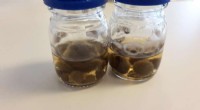
The core of any deionizer is porous polymer beads. These beads carry functional groups that are permanently charged, creating ion‑exchange sites. The high molecular weight of the beads provides a large surface area, ensuring efficient ion removal.
Resin capacity is finite. Once ion uptake slows, a regeneration cycle restores activity:
After regeneration, re‑check water purity using a conductivity meter or ion chromatography to confirm deionization efficacy.
By mastering these steps, you can reliably produce high‑purity water for laboratories, automotive batteries, and potable water systems.