By Claire Gillespie – Updated Mar 24, 2022
Image: bhofack2/iStock/GettyImages
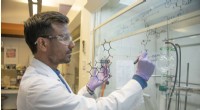
Glucose—commonly referred to as “blood sugar”—is a simple carbohydrate that fuels the body’s cells. In powdered form, it is used to sweeten foods and as a nutritional supplement for athletes. Preparing a standard glucose solution at home is straightforward and useful for a range of laboratory experiments.
A standard glucose solution is created by mixing a known mass of glucose with a known volume of water. Scientists use these solutions to calibrate instruments, determine the concentration of glucose in unknown samples, and conduct experiments in biochemistry and physiology. They also form the basis of many clinical tests that monitor blood glucose levels in people with diabetes or those at risk of developing the condition.
To prepare a solution of a specific percentage, use the formula:
mass (g) = (desired % ÷ 100) × total volume (mL)
For example, to make 500 mL of a 20 % glucose solution, calculate (20 ÷ 100) × 500 = 100 g of glucose. A 10 % solution would require 50 g.
Pour 250 mL of deionized water into the beaker. Place the stir bar inside, set the beaker on the hot plate, and engage the heating and stirring functions. Warm the water to approximately 50–60 °C—this temperature facilitates dissolution without compromising the glucose’s integrity.
Measure exactly 100 g of powdered glucose using the balance. Gradually add the glucose to the warm water while stirring continuously. The polar hydroxyl groups of glucose form hydrogen bonds with water molecules, promoting rapid dissolution. Allow the mixture to stir for 3–5 minutes until the solution is clear.
Once the glucose has fully dissolved, add additional deionized water until the total volume reaches 500 mL. Mix gently to ensure homogeneity. The solution is now ready for use.
Use this protocol to produce a reliable glucose solution for experiments on dissolution, oxidation, fermentation, or clinical testing.