By Cara Batema, updated Aug 30, 2022
Photo credit: Antonio_Diaz/iStock/GettyImages
Alka Seltzer is a widely used antacid that neutralises excess stomach acid. Rather than swallowing the tablet, it is typically dissolved in water, creating the familiar fizz that signals a chemical reaction is underway. By mixing the tablet with hydrochloric acid (HCl) in a controlled setting, you can observe the same reaction that occurs in the stomach.
When Alka Seltzer (sodium bicarbonate, NaHCO₃) reacts with hydrochloric acid, a double‑displacement reaction produces sodium chloride (NaCl) and carbonic acid (H₂CO₃). The unstable carbonic acid immediately decomposes into water and carbon dioxide, which is released as the characteristic fizz.
Hydrochloric acid is a strong, corrosive acid (HCl). Alka Seltzer’s active ingredient is sodium bicarbonate, a carbonate that readily reacts with strong acids. The reaction is a classic example of an acid‑base neutralisation.
The reaction follows the general pattern AB + XY → AY + XB. Here, NaHCO₃ + HCl → NaCl + H₂CO₃. The resulting sodium chloride is common table salt, while carbonic acid is highly unstable.
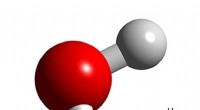
Carbonic acid rapidly decomposes into water and carbon dioxide: H₂CO₃ → H₂O + CO₂. The CO₂ gas is what produces the observable fizz. The overall balanced equation is:
NaHCO₃ + HCl → NaCl + H₂O + CO₂↑
By following these precautions, you can safely demonstrate the science behind Alka Seltzer’s soothing fizz while gaining insight into everyday acid‑base chemistry.