Here's a breakdown:
* Solute: The substance being dissolved (e.g., sugar in water).
* Solvent: The substance doing the dissolving (e.g., water).
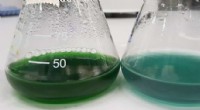
* Concentration: The amount of solute present in a given amount of solvent.
Examples of ways to express concentration:
* Molarity (M): Moles of solute per liter of solution.
* Molality (m): Moles of solute per kilogram of solvent.
* Percent by mass (% w/w): Grams of solute per 100 grams of solution.
* Percent by volume (% v/v): Milliliters of solute per 100 milliliters of solution.
Important Note:
* Equal concentration does not necessarily mean equal volumes. Two solutions with the same concentration can have different volumes if they contain different amounts of solute and solvent.
Let me know if you'd like to explore specific examples or different ways of expressing concentration!