Physical Change
* Definition: A change in the form or appearance of a substance, but not its chemical composition.
* Chemical Bonds: No new chemical bonds are formed or broken.
* New Substances: No new substances are created.
* Reversibility: Often reversible (e.g., melting ice, boiling water).
* Examples:
* Melting ice (solid to liquid)
* Boiling water (liquid to gas)
* Cutting paper
* Dissolving sugar in water (sugar molecules remain intact)
* Changing the shape of a metal by bending it
Chemical Change
* Definition: A change in which a new substance is formed with different chemical properties.
* Chemical Bonds: Chemical bonds are broken and new ones are formed.
* New Substances: One or more new substances are produced.
* Reversibility: Usually not easily reversible.
* Examples:
* Burning wood (wood reacts with oxygen to form ash, carbon dioxide, and water)
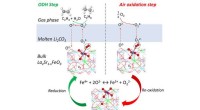
* Rusting of iron (iron reacts with oxygen to form iron oxide)
* Baking a cake (ingredients chemically react to form a new product)
* Cooking an egg (proteins change structure)
* Mixing baking soda and vinegar (produces carbon dioxide gas)
Key Points to Remember:
* Chemical changes are often accompanied by a release or absorption of energy (heat, light, etc.).
* Physical changes usually involve a change in state (solid, liquid, gas).
* If a change produces a gas, a precipitate (solid formed in a solution), or a color change, it is likely a chemical change.
Let me know if you'd like more examples or a deeper explanation of a specific change!