Similarities:
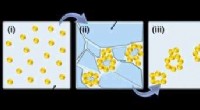
* Both involve changes in matter. Both physical and chemical changes alter the state or composition of a substance.
* Both can be observed. We can see, smell, or feel the results of both types of changes.
* Both can be reversible in some cases. While some changes are irreversible, others can be reversed through specific processes.
Differences:
| Feature | Physical Change | Chemical Change |
|---|---|---|
| Composition | Remains the same | Changes |
| New Substances Formed | No | Yes |
| Chemical Bonds | Not broken or formed | Broken and/or formed |
| Reversibility | Often reversible | Usually irreversible |
| Examples | Melting ice, boiling water, crushing a rock | Burning wood, rusting iron, cooking an egg |
Here's a simple analogy:
Imagine you have a piece of paper.
* Physical Change: Folding the paper changes its shape but doesn't change what it is. It's still paper.
* Chemical Change: Burning the paper completely changes its composition. It turns into ash, smoke, and gases. This is irreversible.
In summary:
* Physical changes are temporary and alter the form of a substance but not its chemical identity.
* Chemical changes are permanent and result in the formation of new substances with different properties.
Let me know if you have any other questions! 😊